How to Tell If a Rug is Handmade: 7 Things to to Look For
Learn how to identify a genuine handmade rug by examining its knots, backing, materials, fringe, edges and overall construct. This guide explains what buyers should look for before purchasing a handmade carpet.
How to Tell If a Rug Is Handmade: 7 Things to Look For
Handmade rugs have been valued for centuries for their craftsmanship, character and durability. Unlike machine-made rugs, which are produced using automated manufacturing processes, a traditionally handmade rug is created through skilled craftsmanship, often requiring considerable time and attention to detail.
For someone buying a rug, however, it can be difficult to tell the difference simply by looking at the front of the carpet. Fortunately, there are several practical details you can examine to determine whether a rug is genuinely handmade.
In this guide, we explain seven important things to look for when examining a handmade rug.
1. Examine the Back of the Rug
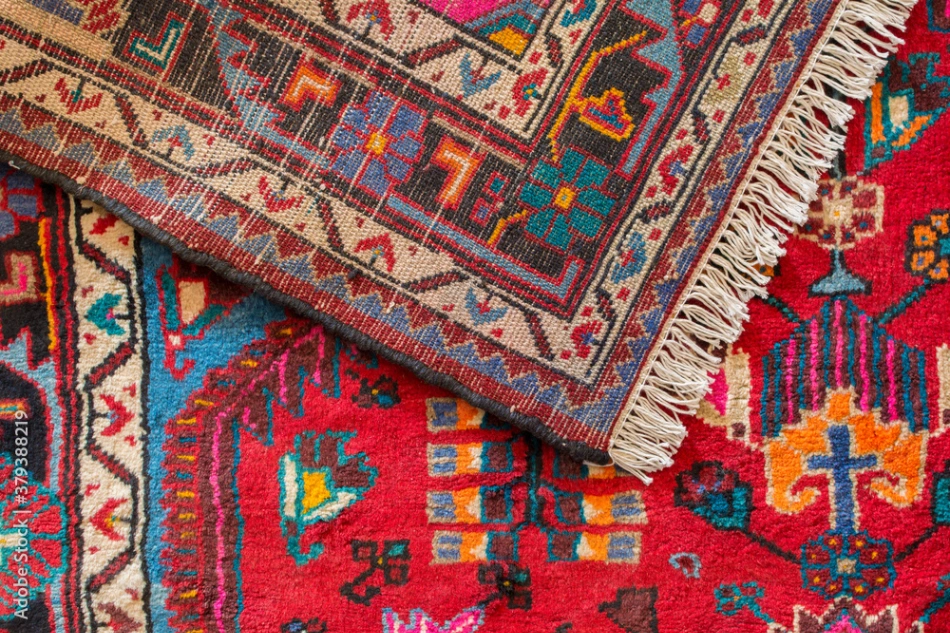
One of the easiest ways to inspect a rug is to turn it over and look at the back.
In a hand-knotted rug, the structure of the knots is usually visible on the reverse side. You may notice small variations in the size, alignment and spacing of the knots. These natural irregularities are not necessarily defects. They can be a normal result of individual knots being tied by hand.
Machine-made rugs tend to have a more uniform and mechanically consistent appearance on the back.
The back of a rug can therefore provide useful clues about how it was constructed, although it should not be used as the only test of authenticity.
2. Look Closely at the Knots
Knots are one of the most important features to examine when identifying a hand-knotted rug.
Turn the carpet over and inspect the foundation and individual knots. In a traditionally hand-knotted carpet, the knots are tied individually around the foundation threads.
Because the work is performed by hand, small variations are common. The knots may not form a perfectly mechanical pattern, particularly in older or traditionally produced rugs.
The type, structure and density of the knots can also provide information about the rug's construction and weaving tradition.
For buyers, the key point is simple: do not assume that perfectly uniform construction automatically means higher quality. Traditional handmade rugs often contain subtle variations that reflect their human craftsmanship.
3. Check the Fringe
The fringe can provide another useful clue.
On many hand-knotted rugs, the fringe is connected to the rug's underlying foundation. It is essentially an extension of the warp threads used in the construction of the carpet.
By contrast, some machine-made rugs have fringe that has been attached separately after the main rug has been manufactured.
Look carefully at where the fringe begins and how it connects to the body of the rug. A fringe that appears to be an integral part of the rug's structure can be an indication of traditional construction.
However, fringe styles vary considerably between different rug-making traditions, so it should always be considered together with other characteristics.
4. Examine the Edges and Sides
The sides of a rug, sometimes called the selvedges, can also reveal information about its construction.
Handmade rugs may show slight variations in the thickness, alignment or appearance of the side finishing. These differences can occur because the rug has been worked manually rather than produced by a machine.
Machine-made rugs generally have highly consistent edges because they are manufactured according to a standardized process.
Again, natural variation does not automatically mean that a rug is handmade, but it can be an important part of the overall picture.
5. Consider the Materials
The materials used in a rug are another important consideration.
Traditional handmade rugs are commonly made using materials such as wool, cotton and silk, depending on the style, region and intended use of the rug.
Wool is particularly common because it is durable, resilient and suitable for traditional hand-knotting and weaving techniques. Silk can provide a finer texture and greater detail, while cotton is often used as part of the foundation of a rug.
The material alone, however, does not prove that a rug is handmade. Modern machine-made rugs can also use natural fibres.
Instead, consider the material together with the knotting, foundation, edges, fringe and overall construction.
6. Look for Natural Variations
One of the characteristics that can make handmade rugs special is that they are not always perfectly uniform.
You may notice small variations in:
Knot size
Pattern alignment
Color distribution
Pile height
Edges
Shape
Weaving tension
These variations can occur because the rug is produced by hand.
In a machine-made carpet, repeated patterns and construction are generally more mechanically consistent.
Natural variation should not automatically be interpreted as poor workmanship. In many traditional rugs, these subtle differences are part of the character and individuality of the piece.
At the same time, excessive irregularities, structural damage or poor finishing should be assessed carefully. Handmade does not automatically mean high quality.
7. Consider the Overall Construction
The most reliable approach is to consider all the characteristics together rather than relying on a single feature.
Look at:
The back of the rug
Knot structure
FoundationFringe
Side finishing
Materials
Pattern and color
Pile
Overall craftsmanship
A genuine handmade rug should make sense as a complete piece of craftsmanship.
If you are purchasing a valuable, antique or collectible rug, a professional examination can provide additional information about its origin, age, materials and construction.
Handmade vs Machine-Made Rugs
The difference between handmade and machine-made rugs is primarily related to how they are constructed.
A hand-knotted rug is produced by individually tying knots onto a foundation. This process can take considerable time, particularly for rugs with intricate designs or high knot density.
Machine-made rugs are manufactured using industrial machinery that allows patterns and construction to be reproduced efficiently and consistently.
Neither category automatically determines whether a rug is attractive or suitable for your home. The right choice depends on your preferences, budget, intended use and the qualities you value in a carpet.
For buyers interested in traditional craftsmanship, however, understanding the construction of a rug can make it much easier to make an informed decision.
Why Handmade Rugs Are Different
A handmade rug is more than a floor covering. It represents a combination of design, materials, craftsmanship and tradition.
The time required to produce a hand-knotted rug can vary substantially depending on its size, design, knot density, materials and the skill of the artisans involved.
This is one reason handmade rugs can vary significantly in price.
When evaluating a handmade carpet, it is therefore useful to consider more than its appearance. Construction, materials, condition, age, origin, craftsmanship and design can all contribute to the character and value of a rug.
Questions to Ask Before Buying a Handmade Rug
If you are considering purchasing a handmade rug, ask the seller about:
How the rug was made
What materials were used
Where the rug was produced
Whether it is hand-knotted, handwoven or another type of handmade construction
The approximate age of the rug, if known
Its condition
Its dimensions
How it should be cleaned and maintained
A reputable seller should be able to provide clear information about the rug and answer reasonable questions about its construction and origin.
Final Thoughts
Identifying a handmade rug requires looking beyond the design on the surface. The back, knots, foundation, fringe, edges, materials and overall construction can all provide useful clues.
Most importantly, avoid judging a rug based on a single characteristic. A combination of features gives you a much better understanding of how a carpet was made.
For collectors and homeowners alike, learning to recognize traditional craftsmanship can make the process of choosing a rug more rewarding and help you appreciate the skill behind every handmade piece.
At Art Exposure Carpets, we believe that a handmade carpet is not simply a decorative item but a piece of craftsmanship with its own character, history and identity. Explore our collection of handmade carpets to discover pieces created through traditional rug-making techniques